
Addressing Food Security with Digital Public Infrastructure
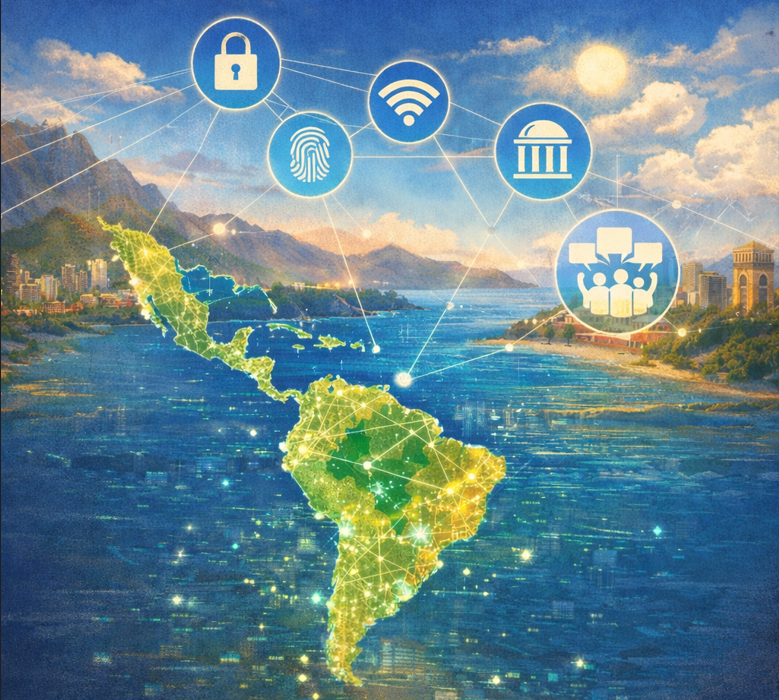
Empowering Civil Society to Shape DPI Governance in Latin America and the Caribbean
Momentum for Digital Public Infrastructure is rapidly growing in Latin America and the Caribbean. From the mighty cases of PIX and gov.br in Brazil to Bre-B, the new instant payment system in Colombia, Ciudadano Digital LAC, the cross-border digital identity system being piloted in Uruguay, Brazil, and Argentina, or Llave MX the Mexican digital identity system currently being deployed, there are plenty of examples of how these technologies are transforming the way governments engage with their citizens and residents and provide services to them.
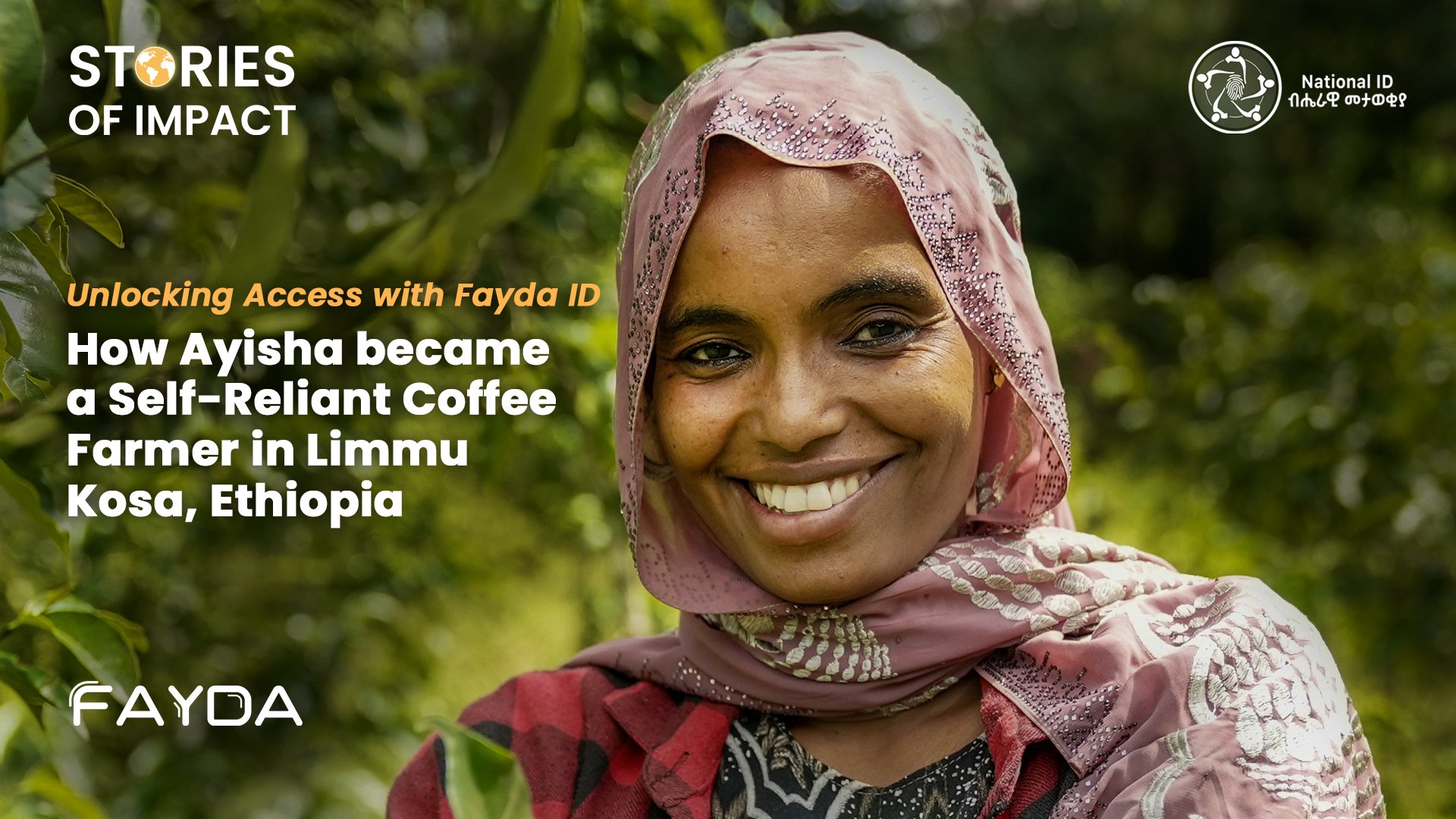
Unlocking Access with Fayda ID: How Ayisha became a Self-Reliant Coffee Farmer in Limmu Kosa, Ethiopia
Ayisha Sheshafi Abagero is a coffee farmer in Jimma, Ethiopia. For years, she had no national ID, which meant no Tax ID and no access to formal credit. She sold livestock just to get by and put her family's plans on hold. When she registered for the Fayda ID, Ethiopia's national digital identity built on MOSIP, everything changed. She accessed credit, cleared her debts, and expanded her farm. Then 158 farmers in her community did the same.
"Even if you're scared of something new, don't run from it. Ask questions, learn, and keep going."
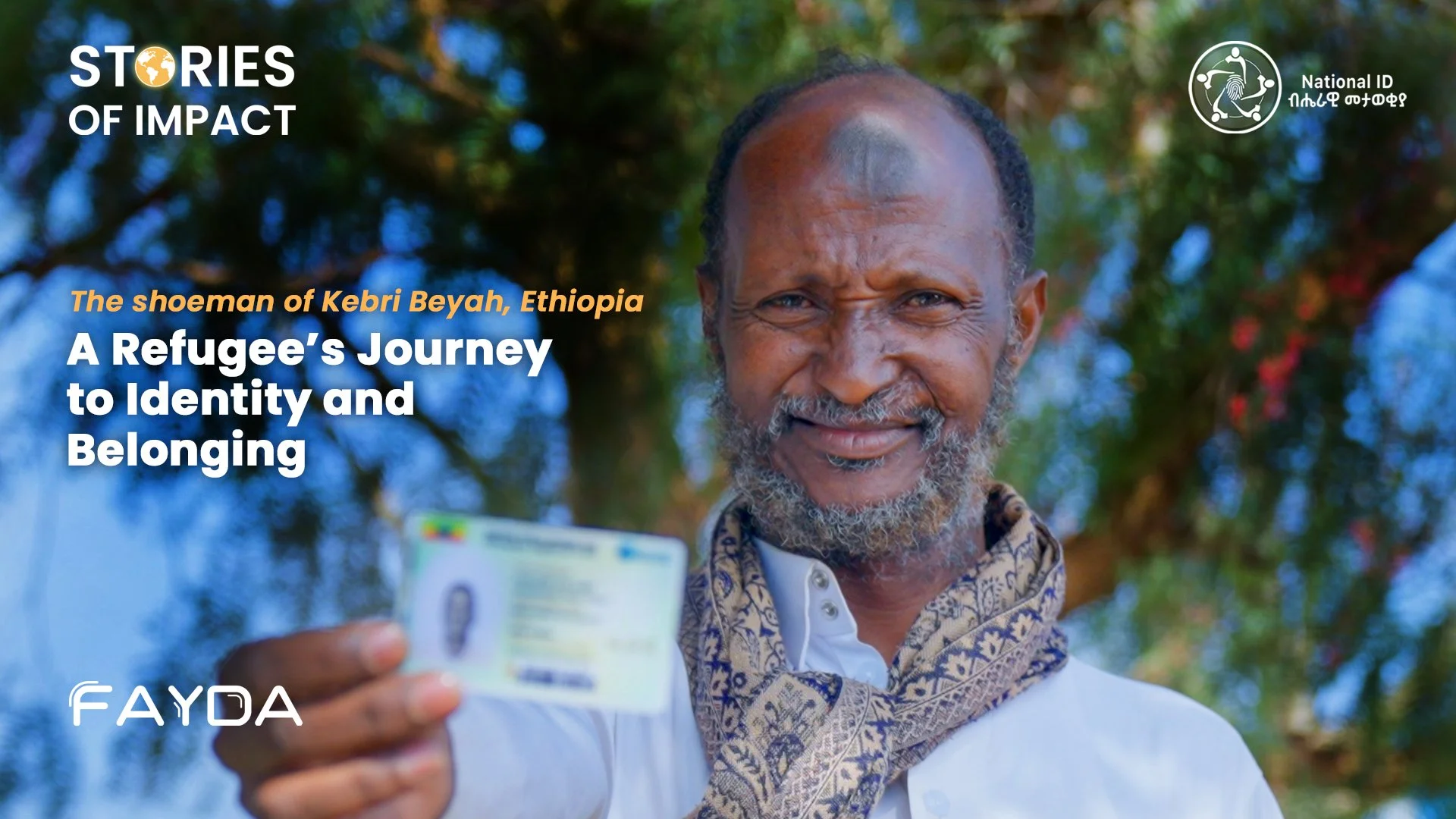
The shoeman of Kebri Beyah, Ethiopia A Refugee's Journey to Identity
In 1992, Jemal Mohamed Elmi fled Somalia's civil war with nothing but a gunshot wound and the clothes on his back. For decades, he rebuilt his life in Ethiopia's Kebri Beyah refugee camp, raising seven children, opening a small shoe shop, and dreaming of something more.
But without legal identity beyond his refugee status, his hands were tied. He couldn't travel freely, register his business, access credit, or even get a SIM card in his own name.
Then came Fayda, Ethiopia's national digital ID built on open-source technology, designed to include everyone, including refugees.
Today, Jemal travels to Addis Ababa to stock his expanded shop. He's taken business loans, built a second home for his family, and even boarded an airplane for the first time in his life. Most importantly, he's identified by his name, not just as a refugee.
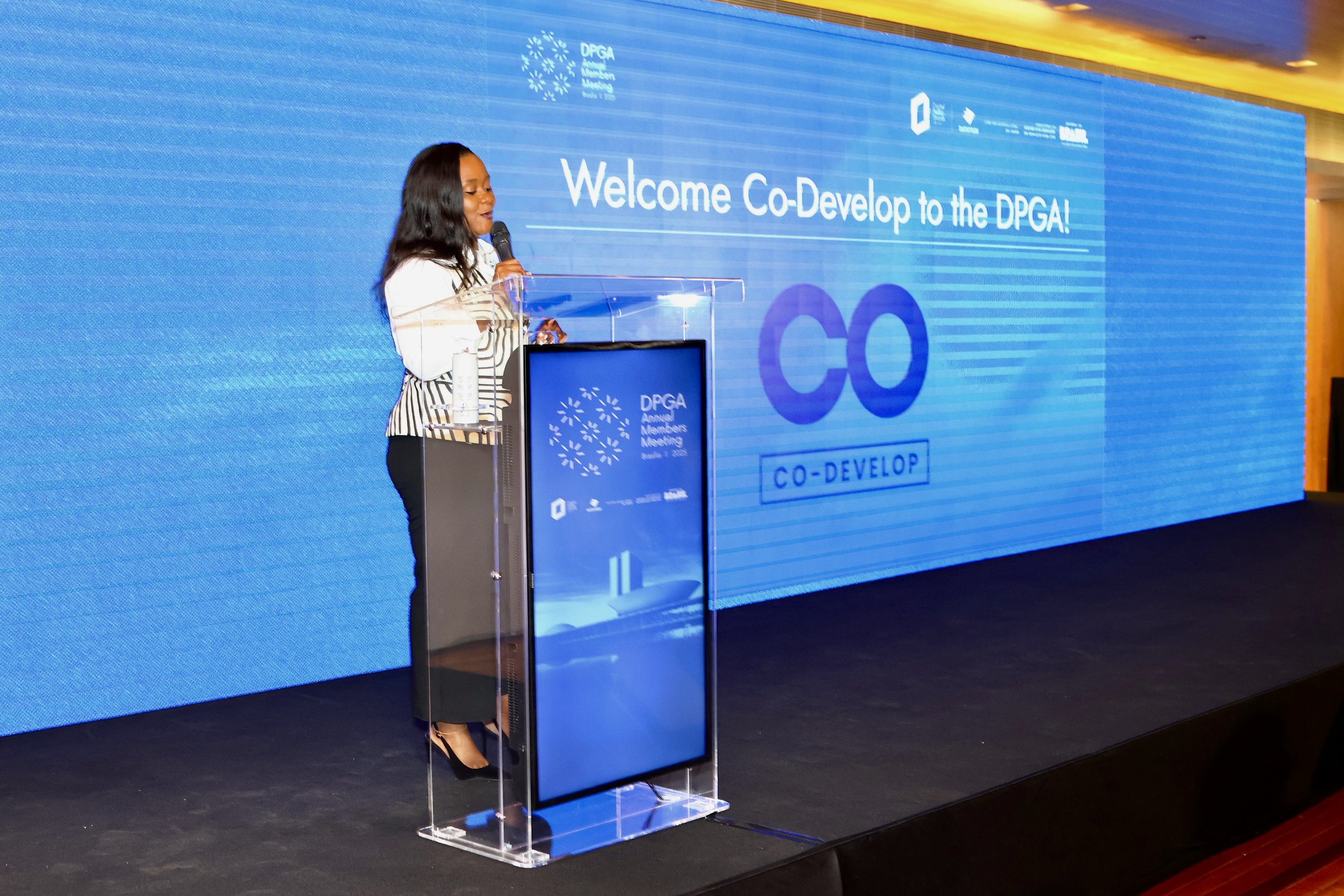
Co-Develop Joins the Digital Public Goods Alliance to Accelerate Safe and Inclusive Digital Public Infrastructure Globally
Co-Develop, a global nonprofit fund accelerating safe and inclusive digital public infrastructure (DPI), today announced its membership in the Digital Public Goods Alliance (DPGA). This strategic alliance strengthens the global movement to deploy transformative digital solutions that serve as the foundations for a fairer future.

Co-Develop Survey reveals DPI could unlock Africa's next generation of entrepreneurs
Findings across six African markets show that secure digital payment and identification systems could power trade and lower barriers to start and grow businesses

UNICEF and Co-Develop Announce Strategic Partnership to Advance Safe and Inclusive DPI in Tanzania and Lesotho
UNICEF and Co-Develop have announced a catalytic partnership to support the implementation of the UN Universal Digital Public Infrastructure (DPI) Safeguards Framework in Tanzania and Lesotho.
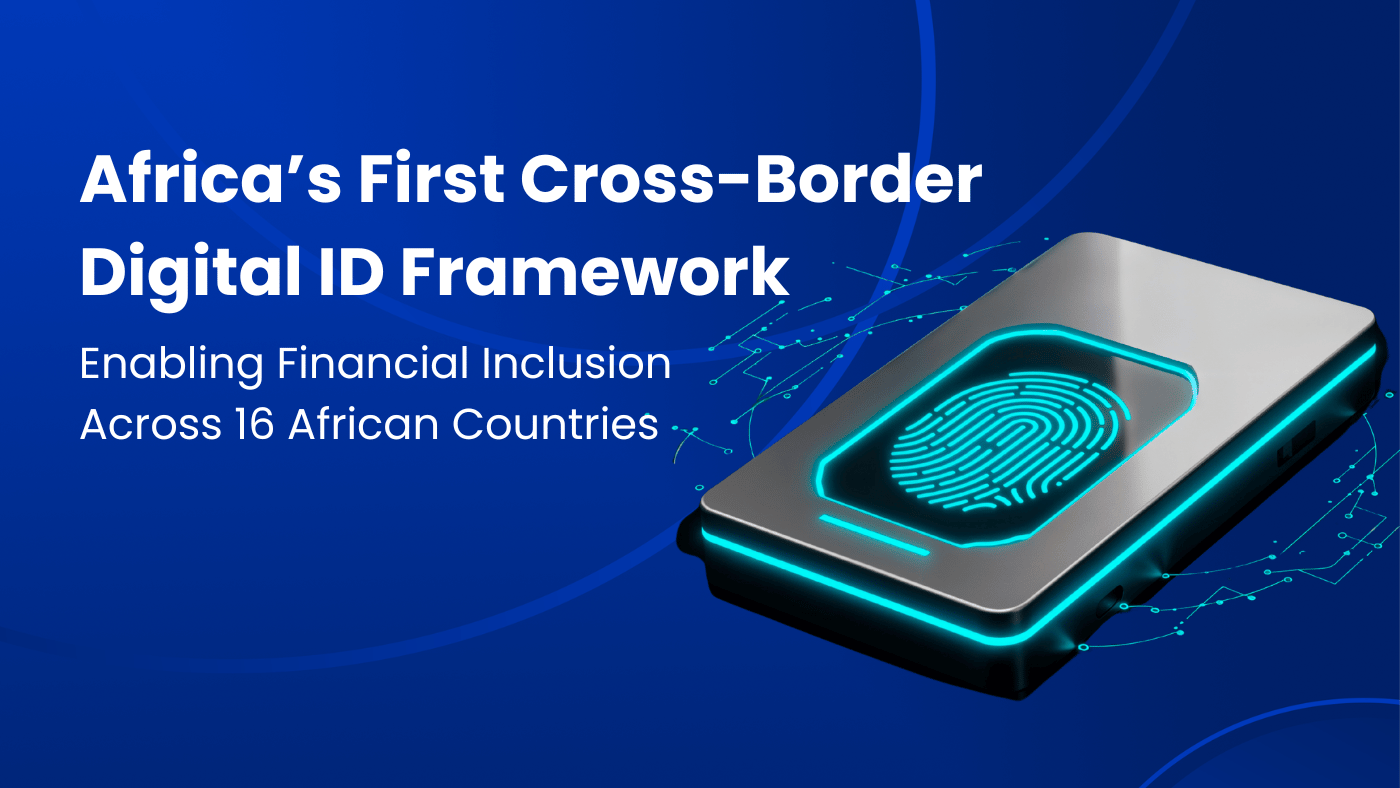
Strategic Collaboration Establishes Africa's First Cross-Border Digital Identity Framework, Enabling Financial Inclusion for Millions
The Southern African Development Community (SADC) Committee of Central Bank Governors, FinMark Trust, and Co-Develop have announced a strategic partnership to build Africa's most ambitious regional Digital Public Infrastructure (DPI) initiative; a federated electronic Know Your Customer (eKYC) ecosystem spanning 16 member states.

What We Learned from Talking to Local Tech Companies about Digital Public Goods
Over the past few weeks, we ran a short user feedback form to hear directly from local technology companies about how they engage with digital public goods (DPGs). This wasn’t a statistically rigorous or representative survey but an informal pulse check. We reached out to companies in our extended network across Latin America, Africa, and Europe, and asked them how they currently find and use DPGs, and what would make these tools even more useful in their work. What we found offers valuable directional insights.

Digital ID is not digital colonialism – it’s an investment in Africa’s future
By Robert Karanja, Senior Director, Africa, Co-Develop
Featured in the Mail & Guardian
Africa is on the cusp of a digital transformation, and digital ID is the key to unlocking it. By the end of 2025, there will be 8.5 billion people on Earth, and 25% of these people will be African. By 2100, that number will rise to 4 in 10. Africa is also the youngest continent, with a median age of 18 and 40% of its population under 14.

Tanzania’s Ministry of Communication and Information Technology Partners with IDEA to Launch Jamii Wallet, Supported by Co-Develop
Tanzania’s Ministry of Communication and Information Technology and Inclusive Digital Experts Africa (IDEA) are pleased to announce a strategic partnership to implement Jamii Wallet, an innovative digital platform designed to empower Tanzanian citizens with a personalized government experience.

Co-Develop, IDB, and World Bank Announce the ‘LAC Digital Citizen Initiative’ to Advance Cross-Border Services in Latin America and the Caribbean
Washington, D.C. – 21 April 2025 – At the World Bank/IMF Spring Meetings, Co-Develop, the World Bank, and the Inter-American Development Bank (IDB) announced a groundbreaking joint initiative to build a Regional Digital Identity Broker across Latin America and the Caribbean (LAC).
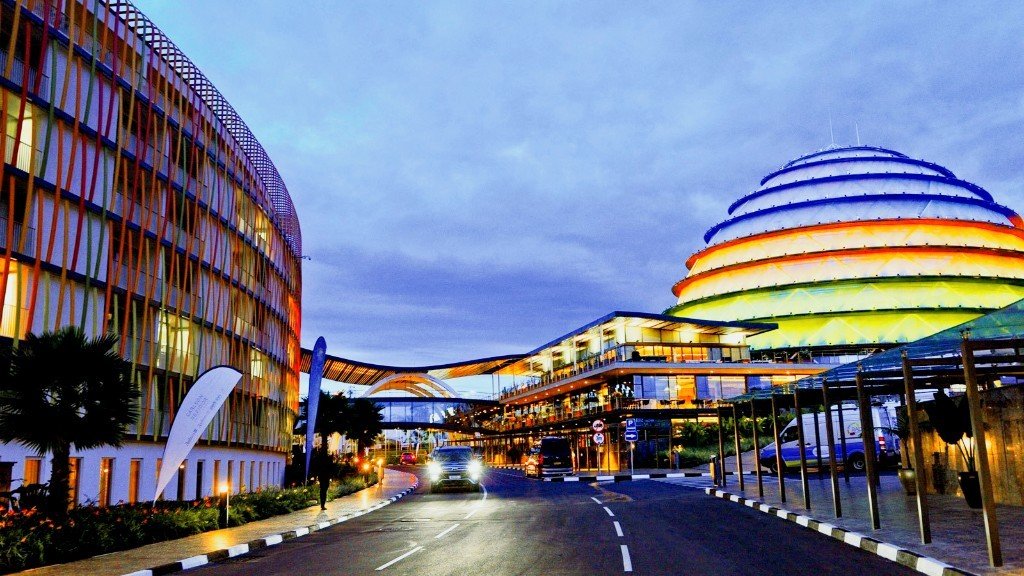
Co-Develop & AFR supporting RISA for the advancement of Rwanda’s Digital Public Infrastructure (DPI) journey.
Rwanda continues to make strides in its digital transformation journey, harnessing innovative solutions to enhance service delivery and economic growth. The country has demonstrated a strong commitment to foundational Digital Public Infrastructure (DPI), from Irembo—a platform streamlining access to government services—to the widespread adoption of mobile money and digital solutions in finance, agriculture, and healthcare.
Co-Develop & CIPESA Empowering East Africa’s Journalists to Shape the Future of Digital Public Infrastructure Discourse
What if the future of digital public infrastructure (DPI) was shaped not just by policymakers and technologists, but by the stories that journalists tell? At Co-Develop, we believe that the stories told about DPI can drive awareness, accountability, and action. This is why Co-Develop is pleased to announce a new partnership with the Collaboration on International ICT Policy for East and Southern Africa (CIPESA) to launch a DPI Journalism Fellowship in Eastern Africa.

The $800 billion Gorilla
We have heard of the American expression of the 800-pound gorilla… but this note is about the $800 billion dollar gorilla that we will need to contend with and tame.
Gartner Research estimates that governments around the world will spend over $800 billion on technology in 2024. A closer look reveals that 88% of this amount will be spent by “mature economies”, with approximately 2.5 billion people.

The Brookings Institution Joins the DPI Conversation
Digital public infrastructure (DPI) may be a relatively new term, but the work of digital transformation to catalyze efficiencies in the delivery of public and private services has been ongoing for decades. Only recently have actors including the United Nations and the World Bank converged on highlighting the importance of taking an infrastructure approach to digital transformation, supporting the development of cross-sectoral technologies that deliver impact at national scale.

From Government Solutions to Societal Capabilities
As the DPI debate has evolved over the past couple of years, there continues to be a lack of clarity on what DPI is. There have been several attempts at coming up with a “definition” by various stakeholders, but there is no consensus. The framing of ‘shared means to many ends’ that David Eaves and Jordan Sandman articulated about a year ago seems to capture the essence of what infrastructure generally is – digital or physical.

Oxford Dives into Studying Digital Public Infrastructure
Many development experts and technologists have discussed the huge potential impact of digital public infrastructure (DPI). For example, reports have projected that DPI could drive GDP growth by as much as 3-13%. But it's not enough to project impact. As these systems roll out on the ground, the DPI ecosystem needs a systematic approach to measuring their economic and social impact. That's why Co-Develop funded the creation of Oxford's Digital Public Infrastructure Research Lab (OxDPI). The lab will investigate the impacts of Digital Public Infrastructure (DPI) on inclusion and wellbeing in low- and middle-income countries.

Global Development Network Launches Program to Support Local Researchers Studying Digital Public Infrastructure
Researchers studying digital transformation and its ability to streamline access to public and private services have been able to demonstrate its substantial potential for positive human and economic impact. Building a research base is important to help policymakers understand the value of investing in digital transformation as well as the potential opportunities and pitfalls of various design approaches.
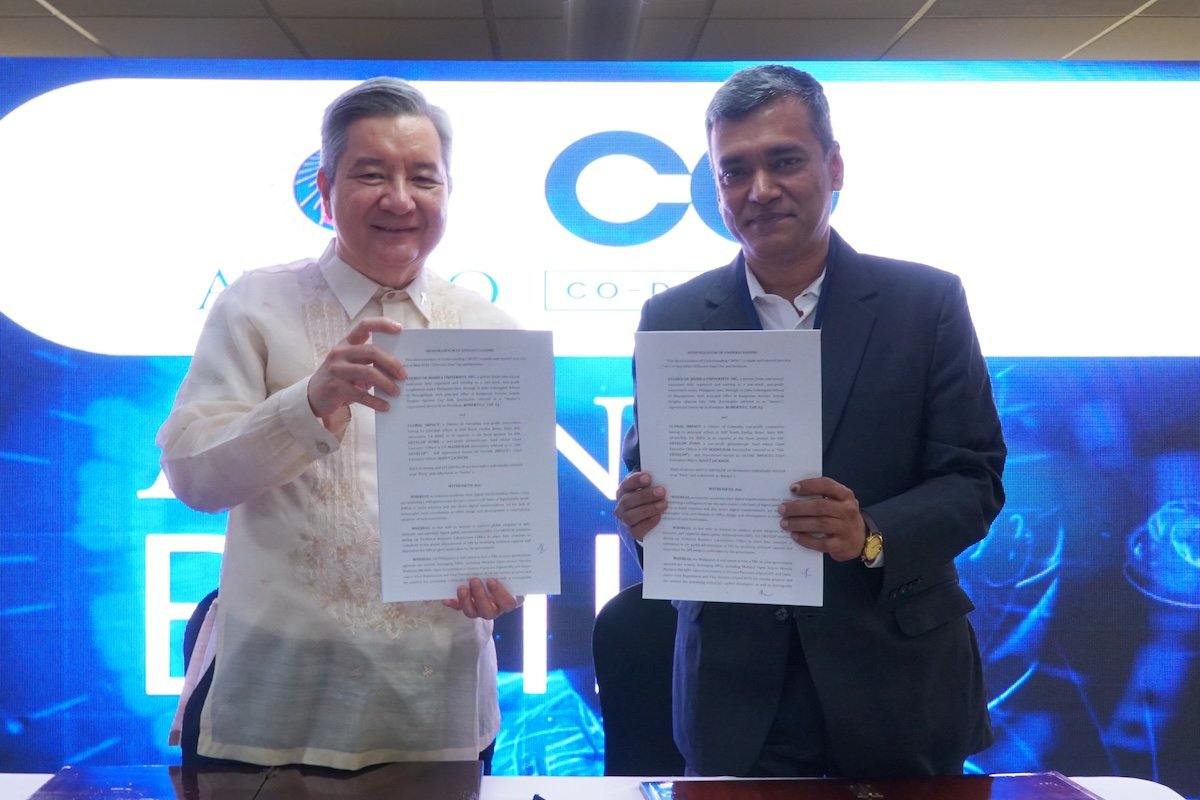
Co-Develop and Ateneo de Manila University Launch Technical Resource Lab (TRL) in Manila to Enhance Local Capacity for Digital Public Infrastructure
Ateneo de Manila University announced the launch of the Business Insights Laboratory for Development (BUILD) Centre today which, in partnership with Co-Develop, will house the Philippine Technical Resource Lab (TRL), an initiative dedicated to strengthening the digital transformation efforts of the Philippines. The TRL will play a pivotal role in the country's digital transformation journey, supported by various Digital Public Goods (DPGs) including OpenSPP, OpenG2P, Mojaloop, MOSIP, and eGov.
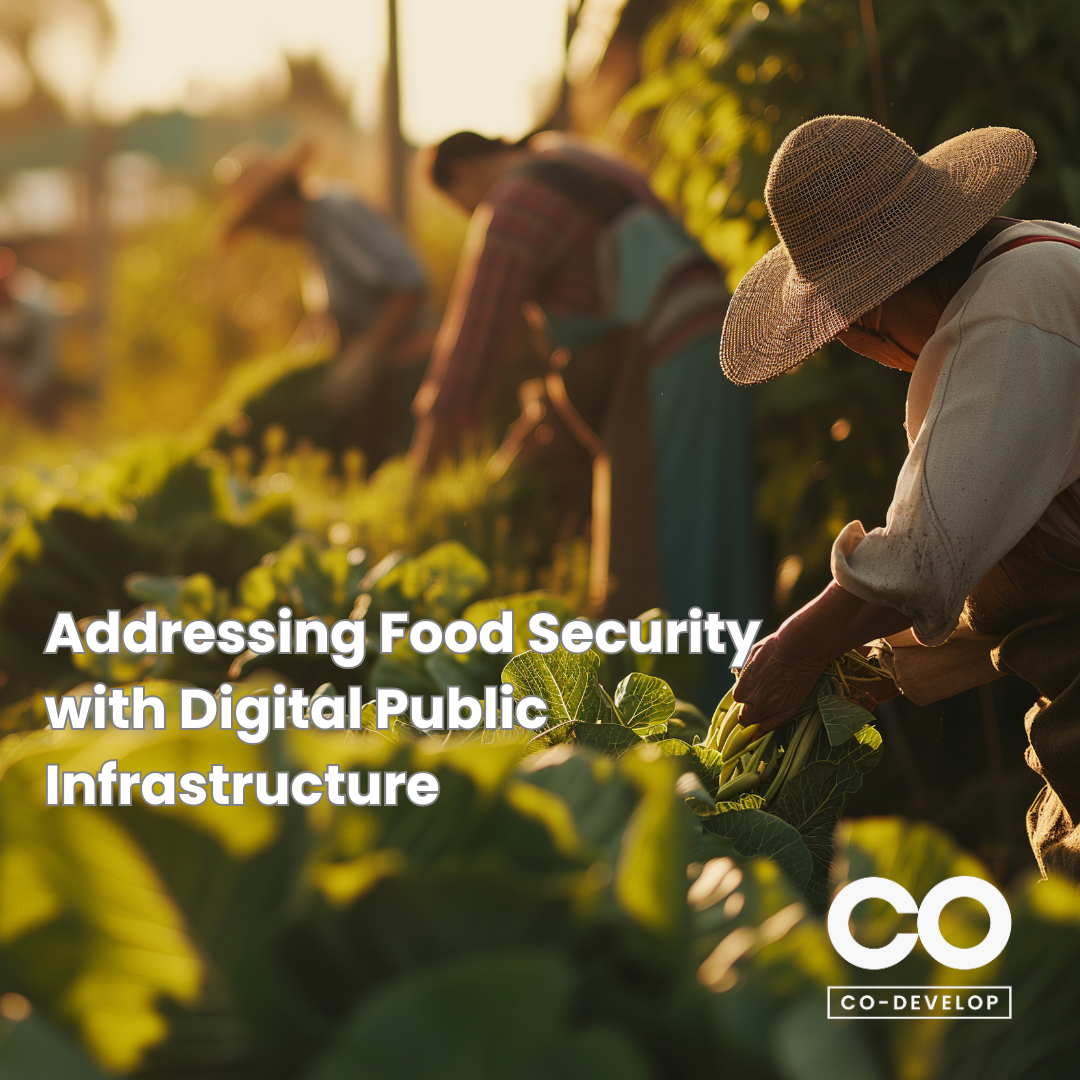
Addressing Food Security with Digital Public Infrastructure
Food security plays a pivotal role in alleviating poverty, enhancing public health, and fostering socio-economic stability. Yet in recent years, the convergence of multiple crises, including the COVID-19 pandemic, armed conflicts, and escalating climate emergencies, has significantly hindered agricultural productivity and led to a dire state of food insecurity that has been disproportionately felt among the most vulnerable populations worldwide. To effectively tackle this challenge, it is not enough to focus on immediate-term recovery efforts; rather, laying the foundations for longer-term resilience will enable countries to withstand future crises. Digital public infrastructure (DPI) - society-wide, digital capabilities that are essential to participation in society and markets as a citizen, entrepreneur, and consumer - is proving to be a powerful tool in the fight against food insecurity, now and in the future.